Alright, pour yourself something strong. We need to talk about one of procurement’s most persistent headaches: manual dogging on fire doors. Not the theoretical kind, but the real-world, ‘we-always-did-it-this-way’ kind that keeps fire marshals employed and keeps me awake at night. This isn’t about hardware specs; it’s about the dangerous intersection of convenience, ignorance, and life safety regulations.
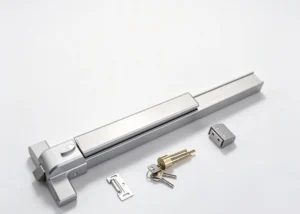
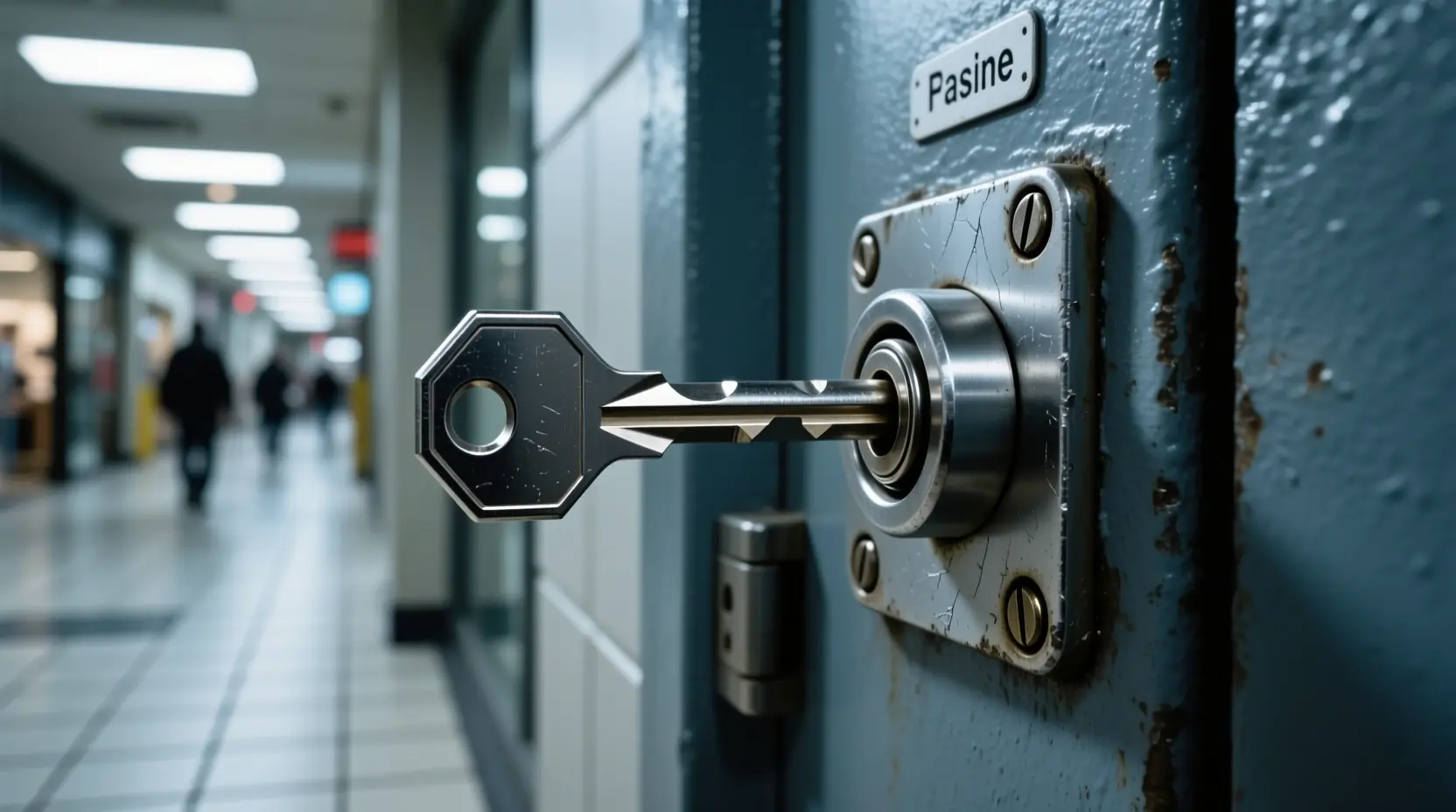
First, let’s strip away the jargon. ‘Dogging’ is that little feature on panic hardware that lets you retract the latch and effectively disable the locking mechanism, usually with an Allen key or a lever. Its legitimate purpose? Maintenance and setup. Its abused purpose? Holding doors open because people find fire doors ‘annoying.’ This is where your grumpy procurement expert starts seeing red flags and flashing lights.
The Core Conflict: Convenience vs. Compartmentation
A fire door has one job: to act as a barrier against smoke and flames. To do this, it must be self-closing and self-latching. These aren’t suggestions; they are the fundamental, non-negotiable requirements of NFPA 80 and the International Building Code. Manual dogging, by its very design, defeats the ‘self-latching’ part. See the problem yet? You’re installing a feature designed to negate the primary function of the assembly. It’s like buying a waterproof watch and drilling holes in it for better ventilation.
The grift usually starts innocently enough. The facilities team complains about foot traffic. Someone wants to prop the door for deliveries. The cleaning crew wants easy access. So, someone takes a key, flips the dogging lever, and suddenly the door is ‘convenient.’ What it actually is, in the eyes of the code, is non-compliant and potentially illegal.
When ‘Useful’ Becomes ‘Unlawful’: The Four Fatal Mistakes
Let’s break down the specific scenarios where manual dogging crosses the line from ‘bad practice’ to ‘violation.’
1. Using Dogging to Bypass the Latch During Occupancy
This is the cardinal sin. If the door is dogged so the latch is retracted, it is no longer self-latching. It might swing closed, but it won’t seal. A pressure differential from an HVAC system or a simple draft can blow it open. An unlatched fire door is a decorative panel, not a life safety device. Using dogging for this purpose directly violates the door’s listed assembly and the building code. This is illegal.
2. Using Dogging as a Substitute for an Approved Hold-Open Device
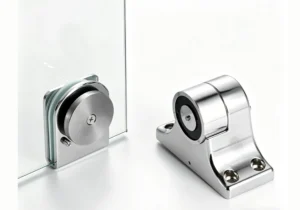
Need a fire door to stay open during business hours? There’s a legal way to do that: listed, code-compliant electromagnetic hold-open devices tied to the fire alarm system. Smoke is detected? The magnet releases, and the door closes. Manual dogging is not that. It’s a human-controlled ‘prop.’ Relying on human memory to undo a dogging function before an alarm is a recipe for failure. This circumvention of approved, automatic systems is a violation. This is illegal.
3. Installing Doggable Hardware on an Assembly That Doesn’t Allow It
Not all panic hardware is created equal for fire door applications. An exit device used on a fire door must be part of a tested and listed assembly. If the manufacturer’s listing for that specific door, frame, and hardware combination does not explicitly permit a dogging function, you cannot add one. You’ve created an unlisted, untested condition. Your building’s certification is now in question. This is likely illegal.
4. Allowing Dogging to Override an Automatic-Closer
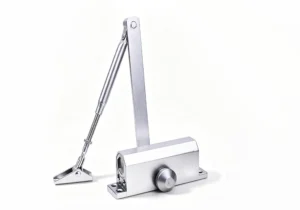
The fire door’s self-closing mechanism is sacred. Manual dogging can physically prevent the door from closing fully, even if the closer is functioning. If your ‘procedure’ involves dogging a door and trusting someone to remember to reverse it, you have no safety procedure. You have a hope and a prayer. Any AHJ seeing this will write it up as a deficiency because you’ve introduced a manual, fallible point of failure into an automatic system. This is illegal.
The Procurement Reality Check
So, what’s the solution? Stop buying problems. As the person holding the purse strings, your responsibility extends beyond initial cost. You’re buying liability management and compliance.
- Specify Correctly: On fire door applications, explicitly require hardware that is listed for the assembly without a manual dogging feature, or specify the integrated, listed components (like electric dogging tied to access control) that make it compliant.
- Ask for the Listing: Demand the manufacturer’s installation instructions and listing details. If the documentation for that specific hardware on a fire door says ‘dogging feature must be disabled or removed,’ then that’s the rule.
- Educate Your Stakeholders: Explain to facilities and operations that ‘convenience’ on a fire door has a strict, code-defined meaning. The legally compliant alternative to manual dogging is an automatic, listed hold-open/release system. It costs more. It requires wiring. That’s the price of safety and legality.
The manual dogging feature is a maintenance tool, not an operational one. Treating it as anything else on a fire door is a gamble with very high stakes. You’re betting that human beings will never forget, never take a shortcut, and that a fire will never occur during one of those ‘convenient’ moments. History, insurance actuarial tables, and fire investigation reports suggest that’s a terrible bet.
The Bottom Line
In procurement, we’re often pressured to find cost-effective, flexible solutions. With fire door hardware, flexibility is the enemy of safety. The code is rigid for a reason. Manual dogging on a fire door introduces an unacceptable level of risk and operator-dependent failure into a system that must work autonomously. Your job is to procure hardware that fulfills its life safety purpose without providing a built-in method to defeat it. Don’t buy the temptation.
—
AHJ WARNING
Pay Attention. This article outlines general principles based on U.S. model codes like the IBC and NFPA 80. It is informational, not legal, advice. The final, absolute authority for your project rests with the Authority Having Jurisdiction (AHJ)—your local building official, fire marshal, or code inspector. Their interpretation and local amendments govern what is legal in your specific location. Before finalizing any specification or installation involving fire door hardware, you must consult with your AHJ. Their approval is mandatory. Assuming compliance based on a product catalog or this article is a direct path to rejected inspections, fines, and liability.