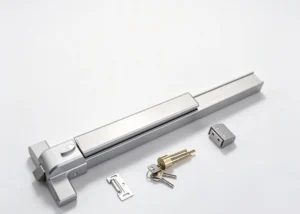
Right. Let’s skip the preamble. You’re here because your budget is screaming at you. A panic bar from Allegion or ASSA ABLOY costs a kidney. The same-looking chunk of metal on Alibaba is 70% less. The siren song of savings is deafening. “How hard can it be?” you think. You optimistic fool. You’re about to walk into a beautifully packaged world of intentional chaos, where the only thing more common than steel is creative fiction.
I’ve spent decades in this trench. I’ve seen the pristine samples that promise quality and the container-loads of expensive junk that arrive. The single greatest point of failure—the hill your company’s reputation and liability will die on—is your naive faith in three letters: UL.
The Spectacular, Multi-Layered Fantasy of “UL Listed”
Underwriters Laboratories (UL) is real. Their standard for panic bars, UL 305, is real. A genuine UL Listing means the product was tested and the factory is subject to random audits to ensure it keeps building the same, compliant product. It’s a system.
Your Chinese supplier’s understanding of this is… flexible. Here’s the taxonomy of truth you’ll encounter:
- The Unicorn (The Real Deal): The factory has a valid, active UL Listing for the exact panic bar model you’re buying. The price will make you wince (only 30-40% savings). They will provide documents without sweating. This is rarer than a quiet sales meeting.
- The Shell Game (The Component Bait): The factory is UL certified… for a latch. Or a spring. They wave this legitimate component certificate around like it covers the fully assembled device. It does not. This is the most common, most seductive lie. It has a veneer of truth to shut up the inexperienced.
- The Bold-Faced Lie (The Photoshop Special): The “certificate” is a PDF edited in a back office. The UL mark on the product is a sticker. The factory has never been audited. This is for the truly desperate or terminally gullible.
Your mission, while sipping bad coffee 7,000 miles away, is to sort the unicorns from the donkeys. Let’s get snarky.
The Verification Drill: Assume Malice, Demand Proof
Forget “trust but verify.” Operate on “distrust and crucify with questions.”
Phase 1: The Document Interrogation – Be Specific, Be Ruthless
Asking for “the UL cert” is like asking for “some food.” You’ll get leftovers. Be surgical.
- Demand the exact UL File Number (e.g., E123456) for the exact model number you intend to purchase. Not the series. The exact SKU.
- Demand the UL “Follow-Up Services Procedure” document (the Yellow Card). This is the inspector’s bible for that factory. If they clutch their pearls and call it a “company secret,” hang up. A legitimate facility will share relevant excerpts. Secrecy is the refuge of the fraud.
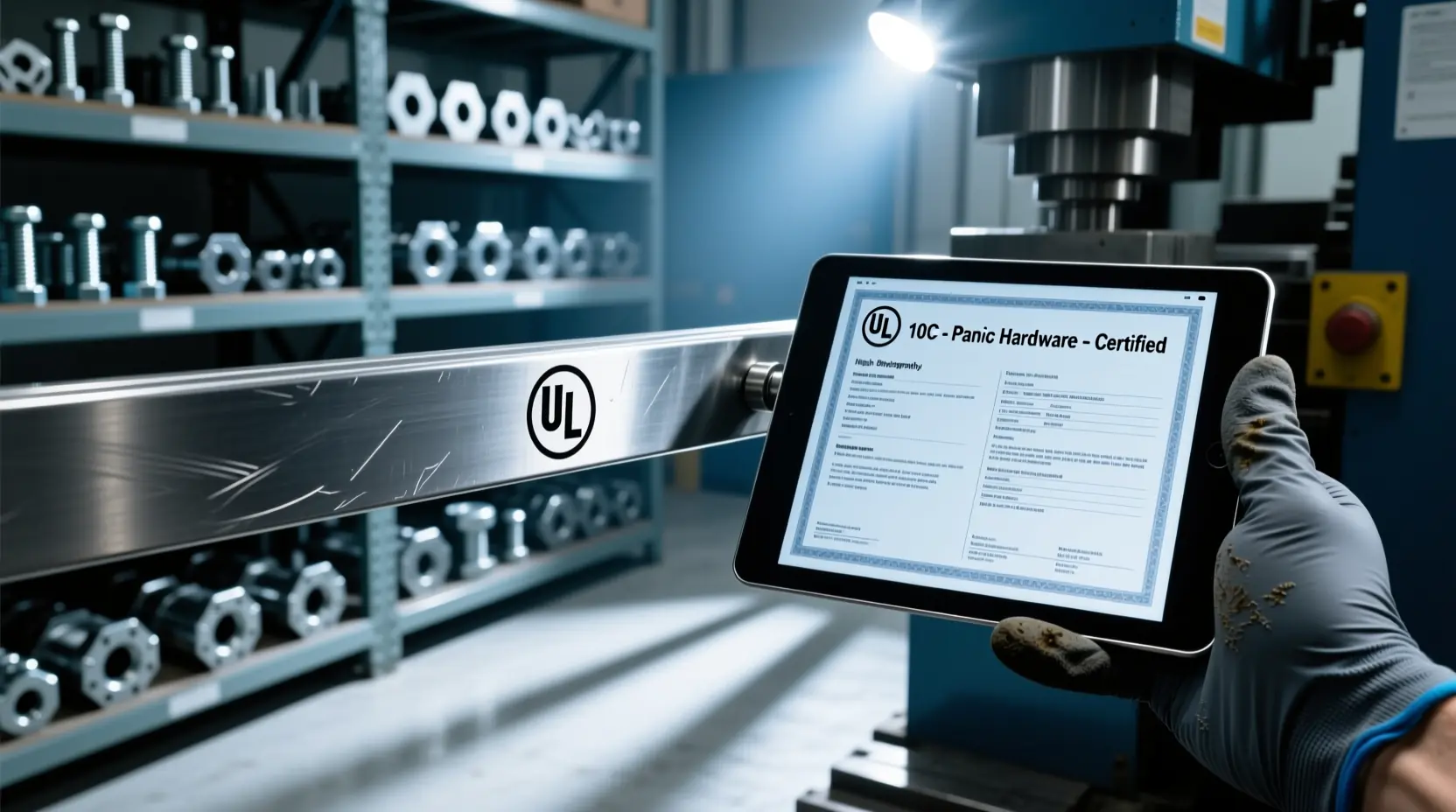
- Demand a photograph of the physical, embossed UL mark on the actual product, next to the model number tag. A stock image from a website is worthless. A sticker is a confession.
Phase 2: The Digital Sleuthing – Cross-Check Everything
You have a file number? Wonderful. Now prove it’s not stolen.
- Go to UL’s Product IQ database (productiq.ulprospector.com). Plug in the number.
– Does the listed company name and address exactly match your supplier’s manufacturing facility? If you’re dealing with “Shenzhen Global Best Trading,” but the certificate belongs to “Dongguan Metal Forming Factory,” you’ve just caught a trading company in a lie. The certificate is invalid for their shipment.
– Is the model number listed? Exactly?
– Is the status “Active”? - Call UL. Yes. Use the telephone. Their Field Services department can confirm a file number’s validity, factory location, and scope in minutes. This simple step is the kryptonite to 80% of the lies. Not emailing. Calling.
Phase 3: The Remote Factory Tour – No Scripts, No Shows
Can’t visit? Make them bring the floor to you. Schedule a live, unscheduled video walkthrough via WeChat or Zoom.
- Insist on seeing the production line where YOUR model is being assembled. Not the shiny showroom. The noisy, grimy floor.
- Ask to see the UL mark stamping die/mold. This is the physical tool that impresses the mark. “It’s in storage” is code for “it doesn’t exist.”
- Demand to see the QC station. Where are the gauges? The cycle-testing jigs? The go/no-go fixtures mentioned in the UL procedure? A clean table with a hammer and a tape measure doesn’t count.
- Ask for the mill test certificates for the raw metal. UL 305 specifies grades. If they’re using cheaper substitute 304 stainless where 316 is required, you’re buying future rust.
The “Identical Sample” Swindle: A Tale of Two Bars
This is where procurement managers go to die. The sample arrives. It’s heavy. It has a satisfying *clunk*. The finish is flawless. It looks exactly like the $800 brand-name bar. Your brain says, “See? It’s fine!” You bypass the verification circus and order 1,000 units.
What the sample hid:
- The internal pawl is made from sintered metal powder, not machined steel. It will turn to dust after a few hundred cycles.
- The return spring is a cheap, non-standard coil that will take a permanent set in six months, leaving the bar sagging.
- The welds are performed by Li, the apprentice, not an automated rig. Microscopic cracks will propagate.
- The “stainless” steel will develop tea-staining and rust at the coastal site you’re shipping to.
The entire purpose of UL’s factory audit system is to prevent these silent substitutions. No audits? They substitute. Every. Single. Time. It’s the core of their margin.
The Non-Negotiable Insurance Policy: Third-Party Inspection
So your documents checked out. The video call was convincing. You’re still not safe. You are a fool if you skip this. Hire a reputable third-party inspection firm (SGS, BV, Intertek) for During Production Inspection (DPI) and Pre-Shipment Inspection (PSI).
Their job isn’t to be your friend. It’s to be your sniper:
- Conformity Check: They physically tear down samples to verify materials and construction against the actual UL file details.
- Functional Testing: They’ll cycle the bar, measure latch force, check engagement. Does it work like a life-safety device or a cheap toy?
- Packing Audit: Ensuring the right, certified product is actually going into the boxes bound for your site.
This costs pennies on the dollar—often 0.3% of PO value. It is the cheapest existential insurance you will ever buy.
The Inevitable Conclusion: When the AHJ Arrives
Let’s play out the scenario you’re trying to avoid. You cut every corner. You bought the cheap bars. They’re installed in a building.
Now there’s an incident. A fire, a crowd surge. The bar fails. The Authority Having Jurisdiction (AHJ)—the fire marshal with the badge and the zero patience—rolls up. They find your non-compliant, failing hardware. They ask for the certification. You hand them your beautifully formatted PDF from “Shanghai Premium Hardware Co., Ltd.”
The marshal will check it. And they will find it fraudulent or invalid. Then comes the music:
They will issue a condemnation order. They will mandate the immediate, full-scale replacement of every single unit in the building. Overnight. At emergency rates.
Your “savings” evaporate. You are now paying a local contractor $300 per hour to rip out your bargain junk and install the expensive bars you should have bought initially. You will eat the entire cost, the delay penalties, the legal fees, and the towering fines. Your company’s name becomes synonymous with negligence.
This is not procurement. This is risk management masquerading as sourcing. Sourcing life-safety hardware from China is a technical audit, not a price negotiation. If you’re not prepared to be a detective, a skeptic, and a hard-nosed document warrior, do everyone a favor: buy the branded product, pay the invoice, and enjoy your uninterrupted sleep.
Your choice is simple: do the grunt work of verification now, or deliver a masterclass in excuses to an unsympathetic fire marshal later. I know which meeting I’d prefer.