Cross-Referencing Hardware Titans & Bargain Bin Brands: Your Roadmap to Intentional Misery
Stop. Just stop. I can see you from here. You’re clutching a spreadsheet, a “value-engineered” purchase order for SinoVexa cylinders, and staring at a door that holds a museum of hardware. A Von Duprin exit device from the Clinton administration. A Sargent mortise lock that predates the internet. And your brilliant plan is to unite them with a cylinder sourced from the lowest bidder. You’re not solving a problem. You’re volunteering for a tactical headache.
Forget polished compatibility charts. Those are marketing fairy tales for people who don’t get their hands dirty. This is the grimy, snark-filled, chaotic reality for those of us who must turn purchase orders into functioning doors without getting sued or failing inspection. Consider this less a map, and more a annotated list of swamps you’re about to wade through.
The Cast of Characters & Their Agendas
Know your enemies. And your frenemies.
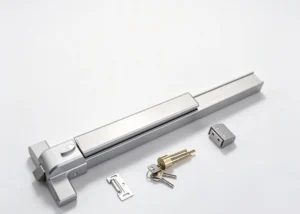
Von Duprin (Allegion): The Fortress Builder. Their business is egress and panic. Their hardware is designed to withstand a stampede. When they specify a cylinder footprint and cam, it’s not a suggestion; it’s a mechanical commandment. They sleep soundly knowing their parts are over-engineered and obscenely durable. Your cost-saving ambitions are background noise to them.
Sargent (ASSA ABLOY): The Institutional Bureaucrat. They own the mortise lock landscape in a million schools, hospitals, and government buildings. Their universe is built on the ANSI mortise cutout and tolerances measured in thousandths of an inch. Their cylinder tailpieces have specific, sometimes bizarre, geometries (looking at you, modified butterfly). They value system integrity over your quarterly savings target.
SinoVexa & The “Will-Fit” Legion: The Chaos Agents. Their entire raison d’être is to reverse-engineer the above at 40% of the cost. Their compatibility is a probabilistic game. Sometimes it works. Often, it’s “close enough” for the first six months. The metal is softer. The milling is a half-millimeter proud. The spring in the cam is anemic. This is where your migraine is manufactured, packaged, and delivered.
The “Compatibility” Battlefield: Where Good Projects Go to Die
We’re mapping failure points. Here they are, in no logical order, because problems have a beautiful, chaotic disdain for sequence.
1. The Physical Snub: Footprint & Face
Will it even fit in the hole? A profound question.
- The Length Saga: A 1” vs. a 1-1/8” cylinder isn’t a minor detail. In a Sargent mortise face, the wrong length means the cylinder doesn’t seat. It either binds on the internal latch mechanism or sits so shallow the set screws barely kiss the notch. Enjoy the wobble.
- The Diameter Debacle: “Standard” is a lie. I’ve seen generic cylinders with a collar fat enough to shame a renaissance portrait. It won’t slide through the rosette of a Von Duprin 99. Get your file. Make metal snow. This is your life now.
- Face Cap Theater: Flat, domed, beveled? Installing a domed cap where a flat one belongs means your exit device trim plate rocks on a tiny metal hill. It looks amateurish and catches on every passing elbow.
2. The Heart of Darkness: Cam & Tailpiece Geometry
This is where “sort of works” becomes “absolutely doesn’t.” The cam is the translator between your key turn and the lock’s action.
- Sargent’s Esoteric Demands: Their mortise locks often demand a specific tailpiece—a cloverleaf, a butterfly, a shape that looks like a proprietary alien wrench. A generic cam will have a generic rectangular slot. The mismatch creates slop. Slop creates wear. Wear creates a call-back.
- Von Duprin’s Clocking Conundrum: Simpler cam, right? Just a rectangle. But the clocking—the angular position of that cam relative to the key’s position—is critical. Get a cheap cylinder with poor machining, and your key ends up horizontal when the bolt is thrown. It’s a small thing that makes every user think you’re an idiot.
- The Throw: Does the cam rotate 90 degrees or 75? This difference decides if the latch fully retracts or just gets stage fright. Fire doors don’t appreciate “mostly” open.
3. The Interior Decay: Keyways & Pin Chambers
The key goes in. It turns. Nothing happens. Welcome to internal sabotage.
- Broaching Depth (The Silent Killer): The keyway slot inside the cylinder may not be milled deep enough for your specific key blank, especially high-security ones like Sargent’s system. The key bottoms out before engaging all the pin stacks. It feels like it’s in, but it’s just tapping on the door of functionality.
- Tumbler Chamber Tolerances: Here’s the dirty secret. Cheap cylinders have wider drillings for their pin chambers. Pins rattle. The action feels mushy, not crisp. This accelerates wear and can spectacularly foul up a delicate master key system. Your elegant, building-wide key hierarchy can be defeated by a three-dollar cylinder’s sloppy machining.
4. The Philosophy War: “Will-Fit” vs. “Built-For”
“Fits Sargent 80 Series” is a statement of breathtaking optimism. It might fit a lock, once, on a Tuesday. But is your specific lock body from the Reagan era, worn smooth by a million key turns? A worn mechanism needs more precision from a new cylinder, not the bare minimum to achieve initial assembly. “Will-fit” promises installation. It says nothing about operation, reliability, or longevity. That’s your problem.
The Grumpy Procurement Manager’s Rules of Engagement
- Von Duprin Demands Tribute. If the exit device is Von Duprin, use a Von Duprin (or Allegion-specified) cylinder. The device’s cost and liability footprint dwarf the cylinder price. This is not the place for cleverness. This is the place for compliance.
- Sargent Requires a Cost-Benefit Autopsy. High-traffic, master-keyed institutional door? Use genuine Sargent cylinders. Protect the system. Low-traffic janitorial closet with a pre-existing wobble? A high-quality aftermarket cylinder might be a palliative care unit until the entire lock gets replaced. Know the difference.
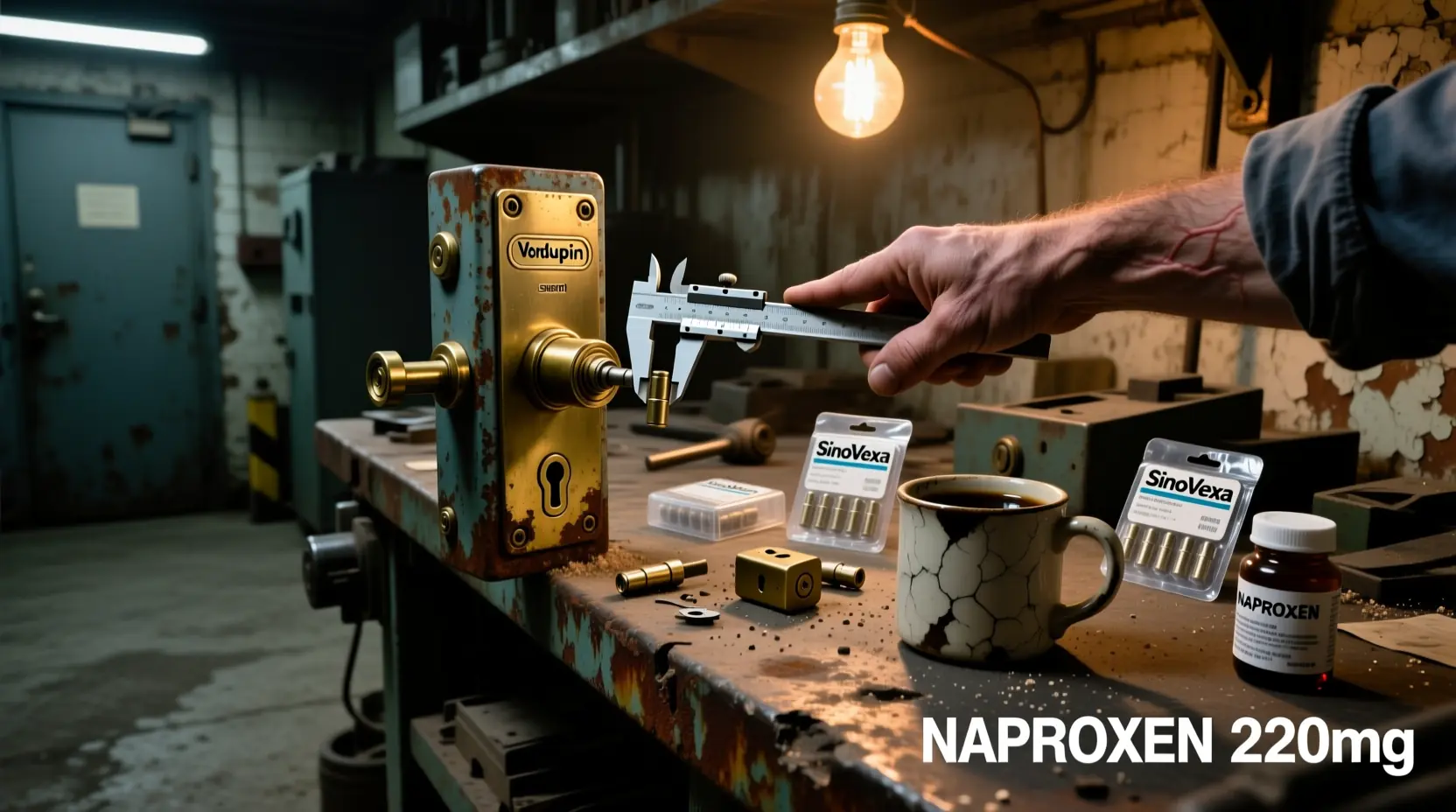
- Bench Test or Bust. Never, ever install a generic cylinder straight from the blister pack. Test it in the lock body on your workbench. Feel the key action. Check the cam engagement. Observe the tailpiece fit. This five-minute ritual of paranoia saves two hours of rage-fueled uninstallation.
- Metallurgy is Not Magic. A soft brass aftermarket cam spinning against a hardened steel latch follower inside a Sargent lock is a recipe for creating internal metal paste. You are engineering your own failure.
The Deliberately Messy Truth
There is no clean answer. There is only the art of managed compromise, conducted with open eyes and a well-supplied aspirin bottle. You are balancing a trilemma: Cost, Immediate Function, and Projected Lifespan. You will be lucky to get two.
The closest thing to a true compatibility map is the institutional memory of a grumpy, seasoned hardware distributor. Call them. Describe your door, your existing hardware, and your dubious new cylinder. Listen to the long sigh on the other end of the line. That sigh contains more useful data than any spec sheet.
AHJ WARNING: Let’s be perfectly, painfully clear. However you mix, match, or McGyver this hardware together, the final operating assembly is your responsibility. The Authority Having Jurisdiction (AHJ)—the fire marshal with the cold eyes and the code book—does not care about your procurement wins or your value engineering. They care about codes: Life Safety, Fire Rating, ADA, Egress. They will walk up to the door and operate it. If it hesitates, if it sticks, if the latch doesn’t retract fully with a single, smooth action, if it looks even slightly improvisational, they will fail it. And they are right to do so. Your bargain cylinder and its “almost” compatibility are irrelevant to the code. The door must work. Period. Don’t let your clever hack become a violation notice.