The Unvarnished, Grumpy Truth About Your Fire Door LocksLet’s cut the corporate fluff.
You’re responsible for the budget, the building, and the endless parade of “urgent” work orders.
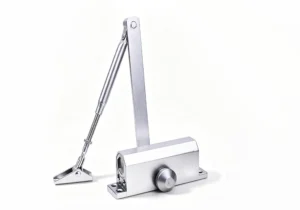
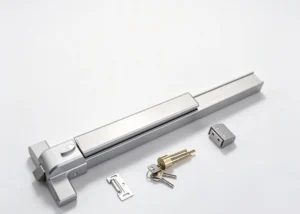
Right now, a door closer is weeping hydraulic fluid. A lock is sticking. A panic bar is sounding like a bag of spanners.
The facility team is hovering, asking the age-old question: Do we fix it or replace it?
And most of the time, the answer they want — and the one you’ll likely approve — is wrong.
Emotion, habit, or sheer desperation dictates a decision that bleeds money.
We’re not here to sell you shiny new gadgets or pledge allegiance to a brand.
We’re here to talk about the three M’s: Metal, Mechanics, and Money. Mostly the money.
Part1: The Siren Song of “Just Fix It” (And the Rocks It Hides)
The repair instinct is strong. It feels prudent, sustainable, even virtuous.
“Why replace a whole unit when a single part has failed?”
On paper, it’s a win. In reality, it’s a minefield for the unwary.
The Cascade Failure (A.K.A. The Money Pit)
You approve the repair of the closer arm. Sixty days later, the main seal blows. Another invoice. A month after that, the latch mechanism gives up the ghost.
You’re not fixing a piece of hardware — you’re on a maintenance subscription plan for a product in its death throes.
Remember: every service call has a minimum charge — 200to 400 just for the truck to appear.
Three “minor” repairs can easily surpass the cost of a new unit — leaving you with a25-year-old piece of junk that’s now your problem.
The Archeological Dig for PartsThat majestic mortise lock from the Reagan era? The manufacturer was absorbed by a competitor during the Clinton administration, who discontinued the line while Bush was in office.
The part you need exists only in a secondary market, marked up500% for the “privilege” of availability.
Your technician will bill hours for “research and sourcing.” Congratulations — you’re not a procurement manager; you’re a curator funding a museum of obsolete ironmongery.
The Labor IllusionHere’s an open secret from the trades: For many jobs, the part cost is incidental. The revenue is in the billable hours.
Rebuilding an antique, complicated exit device on the door can take half a day. Swapping it for a modern, modular unit might take forty-five minutes.
Even if the new device costs50% more than the bag of parts for the old one — you’ve saved three hours of labor.
At 95/hour,that’s 285 saved by choosing replacement.
The old-school techs will grumble about “they don’t make ’em like they used to.” Maybe. But they bill for them exactly the same way.
When Repair Actually Wins (The Narrow Window)
- The Workhorse: A simple, high-quality component like a heavy-duty hinge or a standard surface-mounted closer from a major brand (think Norton, LCN, DORMA). Parts are ubiquitous, and the repair is straightforward.
- The Cosmetic Band-Aid: A loose lever handle, a squeaky hinge, a faded escutcheon. These are sub-$150 irritants. Ignoring them makes your entire facility look neglected — which has a soft cost all its own.
- Preservation, Not Profit: You’re in a listed heritage building. The hardware is part of the architecture. You repair. This isn’t a financial decision — it’s a compliance and conservation one. Write the cheque and admire the craftsmanship.
Part2: The Allure of “Shiny and New” (And the Budget Black Hole It Creates)
Opposite the repair die-hards are the replacement evangelists.
Every fault is an “opportunity to upgrade!” They flick through catalogs, eyes glazing over at touchscreen readers and wireless integrations.
This is how you vaporize a quarterly CAPEX allocation before the coffee gets cold.
The Domino Effect: Hardware Is a SystemYou cannot simply replace one element in isolation.
That sleek new closer requires a different mounting bracket. The modern lock needs a new door prep. The fresh hinge has a different weight rating.
Your “simple lock swap” just mandated a new closer, new hinges, and a carpenter to modify the door.
The 300lockisnowthetipofa 1,500 iceberg. I’ve watched this folly burn through budgets for decades.
The Feature Bloat TaxWhile you’re in the market, the sales-engine kicks in.
“For only15% more, this model includes a delayed action feature…”> “Since this is a high-traffic area, you really need the Grade1 commercial version…”
Suddenly, the janitor’s closet in Sub-Basement B is equipped with hardware worthy of a bank vault — features that will never, ever be used.
You paid for a sports car when a bicycle would do.
The Installation AmnesiaThe single largest cost component is not the hardware sitting in a box. It’s the human being with tools, physically installing it.
If you have ten doors with the same failing latch, the per-unit installed cost plummets if you do them all in one planned hit.
Replacing them one-by-one as they fail is the most expensive, inefficient strategy imaginable. It’s fiscal madness. Plan. Aggregate. Execute.
When Replacement Is the Only Sane Choice
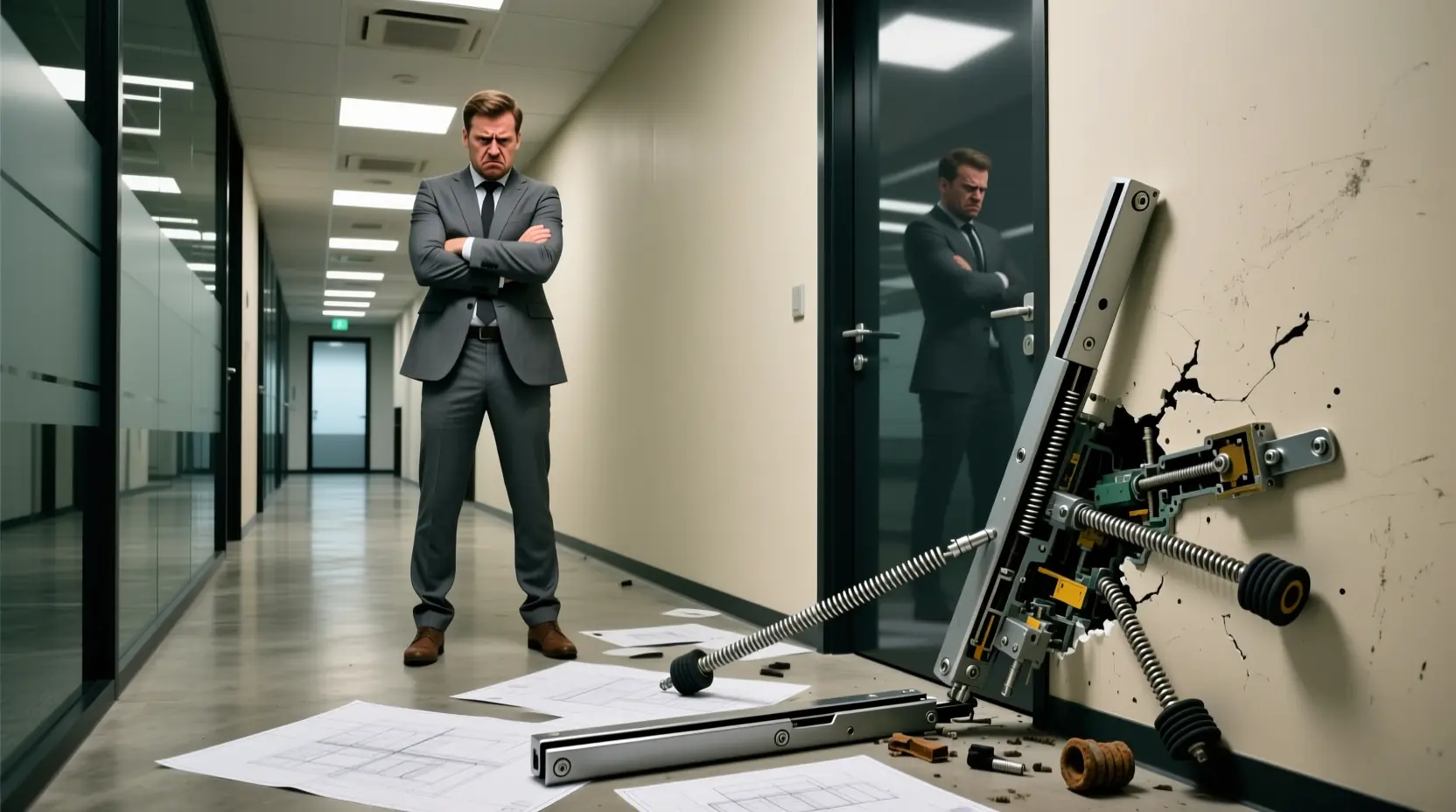
- Catastrophic or Structural Failure: The mainspring inside the closer snaps. The lock case itself is cracked. The panic bar mechanism is shattered. These are organ failures. Replacement is the only cure.
- The Three-Strike Rule: If the same component has required two substantive repairs (not adjustments) within a year — it’s a lemon. The third repair is charity for a lost cause. Replace it proactively and save the next service call.
- Code or Security Mandate: This is non-negotiable. The Fire Marshal condemns it. ADA requirements have evolved. A security audit reveals a gap. The financial calculation is irrelevant. You replace. The cost of non-compliance is existential.
- Technological Obsolescence: The hardware is a dinosaur that cannot interface with your new access control system. It’s a weird metric size nobody stocks. It’s a legendary time-sink for your maintenance team. The indirect costs (downtime, friction, system limits) now dwarf the price of a new unit.
Part3: The Grumpy Procurement Manager’s Decision Matrix (It’s Messy, It’s Real)
Enough theory. Here’s the brutal, sequential checklist. Use it.
- Is it actually broken, or just screaming for an adjustment?**Half of all “failures” are solved with a hex key and90 seconds. Try this first. Your budget will thank you.
- Does its failure directly impact Life Safety or Security?**If yes — you’re not making a choice. You are executing a mandated replacement. See below.
- Is this the second time in12 months we’ve fixed the same core issue on this unit?**If yes — the unit is telling you it’s done. Listen. Lean hard towards replacement.
- Can a reliable vendor supply the exact OEM part, next-day, for less than one-third the total installed cost of a new unit?**If yes — repair might scan. If no — if it’s backordered, obsolete, or wildly expensive — replacement wins.
- Are five or more identical units on-site showing similar wear or failure?**If yes — stop the drip-feed. Plan a bulk replacement project. You’ll leverage volume pricing and dramatically reduce per-unit labor costs. This is strategic procurement, not reactive firefighting.
The Ultimate Variable: The AHJ (The Party That Doesn’t Care About Your Spreadsheet)
You can run all the elegant cost-benefit analyses you want. They are all rendered null and void by one entity: the Authority Having Jurisdiction (AHJ).
Your brilliantly economical plan to “nurse along” those aging fire exit devices with careful repairs? Meaningless.
The Fire Marshal walks in. They see equipment two decades past its intended service life. They see the wear, the corrosion, the seepage. They perform a functional test — as per NFPA80 — and it fails. Not a minor fail. A catastrophic fail.
The door is red-tagged. Out of service.
Now you are under a mandated correction order. You have24–48 hours. You will pay for expedited, overnight shipping. You will pay emergency contractor rates (think double or triple time, especially if it’s a weekend). You will stand there for a lecture on life safety compliance. And you will absorb this cost as a punitive, unbudgeted blow.
The most expensive path is not repair or replacement. It’s emergency replacement under duress.
A planned replacement is a line item. An AHJ-mandated replacement is capital punishment for your finances.
So do the math. But always do it with the code book open and the AHJ’s potential visit as your primary constraint.
The grumpiest truth in facilities management?> The cheapest option is almost always the one you choose before you have no choice at all.