Right. You’ve landed here. The door is either rattling like a skeleton in a cupboard, refusing to latch, or requiring the heave-ho of a medieval battering ram to open. Your search history now includes “panic bar adjustment” and possibly “door hardware exorcism.” You’re hoping for a neat, bullet-pointed salvation. I’m here to provide something more valuable: the bitter, unvarnished, and intentionally chaotic truth from the trenches of procurement and facility management. This isn’t a tutorial. It’s an intervention.
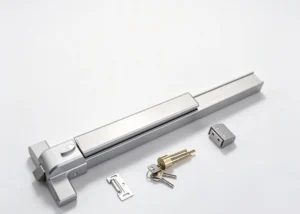
First, terminology. Let’s get pedantic immediately, because precision matters when you’re dealing with liability. It’s not a “panic bar.” That’s a colloquialism for the uninitiated. It’s an exit device or rim device. Its sole, sacred purpose is to function flawlessly when a crowd of terrified people need to get out. So, when you, with your mismatched Allen keys and hopeful heart, decide to “tweak” it, you’re not fixing a squeak. You’re potentially compromising a life safety device. Let that cynicism marinade for a moment.
The Diagnostic Dance: What’s Actually Broken?
Before you start playing mechanic, figure out which flavor of failure you’re enjoying. Misdiagnosis here is the mother of all expensive regrets.
- The Ghost Latch: The door swings shut but doesn’t catch. It mocks you with a hollow click or just swings freely. The most common ailment, usually a simple misalignment. Usually.
- The Gym Door: Opening it requires significant force, making it non-compliant with accessibility codes and generally infuriating. This is often a lubrication or spring tension issue, or the latch is over-extended.
- The Maraca: The bar itself is loose, wobbly, or sagging. It announces every passerby with a cheap metallic shimmy. This is typically loose mounting screws—a simple fix that often reveals wallowed-out screw holes, a not-so-simple fix.
- The Lazy Bar: You push it, it opens, but then it just… stays there. Limp. Unreturned. A failure of the internal spring mechanism, which is the heart of the device. This is where DIY dreams go to die.
- The Death Rattle: Grinding, screeching, or a definitive metallic *CRUNCH*. This is the sound of parts eating themselves, usually due to years of neglect, dirt, and a tragic lack of appropriate lubrication.
The “Adjustment” Charade (A General, Snarky Overview)
TOOL GATHERING RITUAL: You’ll need Phillips and flat-head screwdrivers (both will be the wrong size). A set of hex keys where the one you need is missing. A flashlight with dying batteries. A sense of impending doom. And for the love of all that is holy, disable any door alarms or hold-open devices first. If you don’t know how, your journey ends here. Call someone.
Step 1: Identify Your Captor. Look for a manufacturer name and model number on the end cap (the piece on the latch side of the door) or inside the crossbar. Von Duprin, Sargent, Yale, Corbin Russwin—they’re all different, with unique, proprietary adjustment mechanisms designed to infuriate the casual tinkerer. Find the technical data sheet online. This is your map. Ignoring it is asking to get lost.
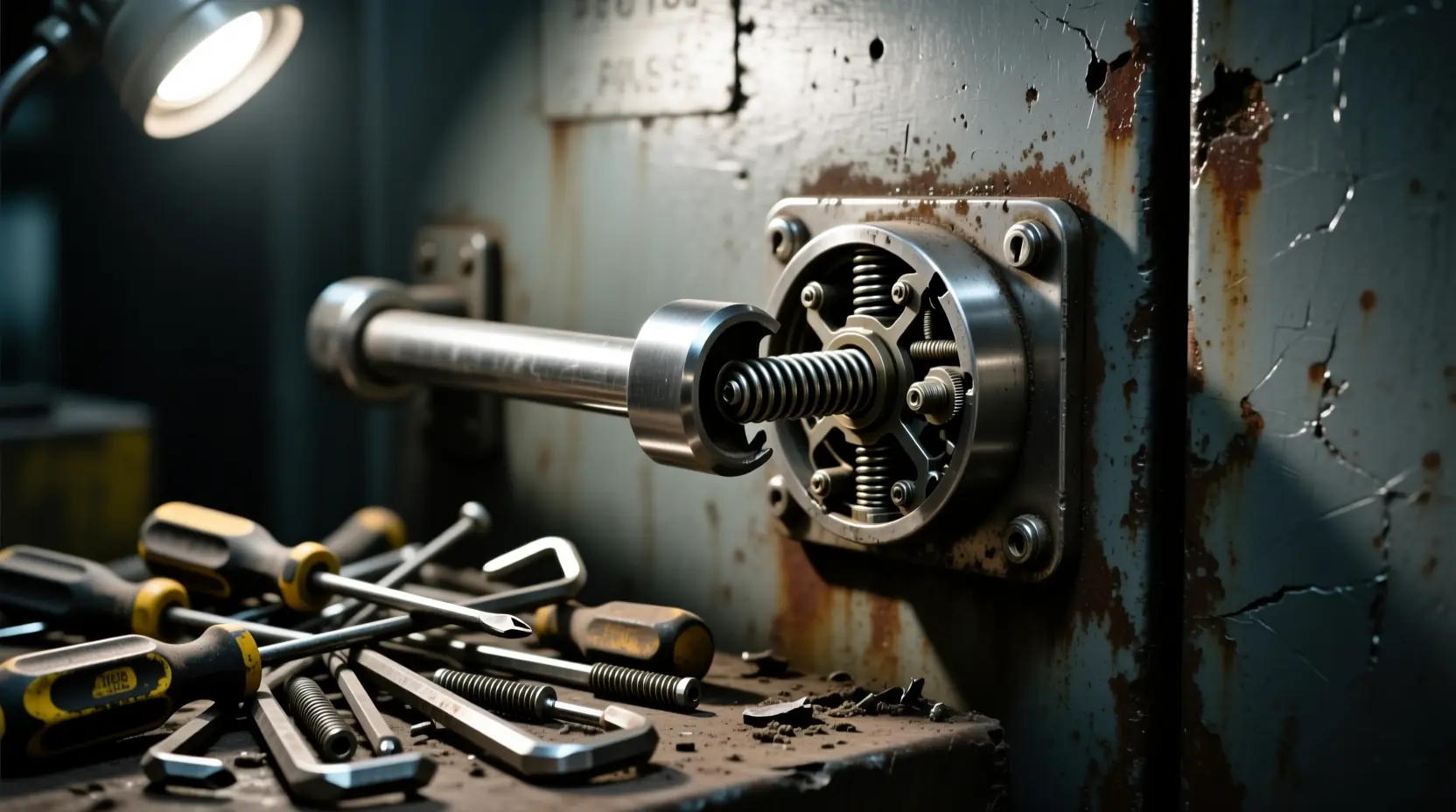
Step 2: The End Cap Gambit. Here lies the gateway to the tiny, greasy chaos within. Two screws hold it on. Remove them. Do this slowly. There is often a spring poised behind it, waiting to launch itself into the darkest corner of your room, never to be seen again. Take a photo before you touch anything. This is your only hope of reassembly.
Now, the so-called fixes:
- For the Ghost Latch (Won’t Latch): This is about vertical alignment. The latch bolt isn’t hitting the strike plate hole correctly. On the end cap housing, find the vertical adjustment screws. They may be labeled “V” or “Vert.” Turn them an imperceptibly small amount—think one-eighth of a turn. Test the door. Repeat. The goal is to walk the latch into the hole. If it’s scraping the strike plate, the strike itself may be bent or misaligned, shifting the blame to the door frame. A classic bait-and-switch.
- For the Gym Door (Too Hard to Push): Suspect horizontal latch depth or crossbar spring tension. An “H” or “Horiz” screw controls how far the latch throws. If it’s out too far, it creates drag. Back it in a hair. For bar pressure, there’s often an adjustment nut on the return spring mechanism inside. Tightening it increases snap-back but also resistance. It’s a balancing act. Also, LUBRICATE. Use dry graphite or a dedicated door hardware lubricant. DO NOT USE WD-40. WD-40 is a water displacer and a mild solvent. It attracts dust and dirt, forming a grinding paste that will destroy your device. This is non-negotiable.
- For the Maraca (Loose Bar): Tighten all the mounting screws that hold the device to the door along its entire length. If they strip or spin freely, the threads in the door are gone. Congratulations, you now have a drilling, filling, and re-tapping project.
- For the Lazy Bar / Death Rattle: You’re likely in the realm of internal spring failure or severe wear. This often requires disassembling the main housing, which involves removing the crossbar. This is the point of no return. Springs under tension are not friendly. They are stored kinetic energy with a vendetta. Proceed only if you enjoy peril.
The Procurement Manager’s Bitter Pill
Here is the chaotic truth no one wants to publish: Most “adjustments” are palliative care for a failing system. The building has settled. The door has warped. The device, after 15 years and 500,000 cycles, is simply worn out. The pawl is rounded. The rollers are flat. The springs are fatigued.
You can tweak the adjustments to compensate, but you’re just moving the failure point down the line. You are administering aspirin to a patient with a broken leg. And when you run out of adjustment screw, you are officially out of luck and in need of a replacement.
Let’s add intentional chaos with device types. This rant primarily applies to surface-mounted rim devices. If you have a mortise exit device (the mechanism lives inside a pocket in the door’s edge), you’ve entered a higher circle of hell. If you have concealed vertical rod devices (with rods running up and down inside the door to top and bottom latches), you are dealing with the most alignment-sensitive, pernickety, diabolical contraptions ever devised by humankind. A change in humidity can throw them off. Call a professional. Immediately.
The White Flag (A Sign of Wisdom, Not Defeat)
Call a licensed locksmith or door hardware specialist if:
- The housing is cracked or the bar is bent.
- Anything inside looks sheared, shattered, or otherwise broken.
- The spring is clearly, visibly deceased.
- It’s a mortise or concealed vertical rod system.
- Your adjustments have made the problem different, but not better.
- You feel a cold sweat forming at the thought of reassembly.
Yes, it will cost money. You will pay a premium for their knowledge, their specialized tools, and their insurance. This is the correct financial decision. The cost of a professional repair is almost always lower than the cost of an emergency replacement after a botched DIY job, plus the potential liability of a failed life safety device.
The Quick “Fix” You Scrolled Down For (You’re Welcome, and I’m Sorry)
Fine. Door won’t latch? Try this:
1. Find end cap. Remove two screws.
2. Carefully remove cap. Contain spring if it pops.
3. Locate vertical adjustment screws near latch mechanism.
4. Turn top screw clockwise 1/8 turn. Test door.
5. If worse, turn it back. Try bottom screw. Test.
6. Swear inventively.
7. Realize the strike plate on the frame is bent and needs filing or realignment—a task requiring different tools and more swearing.
8. Consider the life choices that led you here.
AHJ WARNING: Listen up. This is the only part without snark. The installation, modification, and repair of fire exit hardware is governed by building and life safety codes (NFPA 80, NFPA 101, IBC, etc.). Your local Authority Having Jurisdiction (AHJ)—the Fire Marshal or Building Official—has the final, absolute say. Many jurisdictions mandate that this work be performed by qualified, certified, or licensed professionals. An improperly functioning exit device can fail during a fire or emergency, leading to catastrophic outcomes and monumental liability. It can also cause your building to fail inspection, resulting in fines or an occupancy shutdown. This article is informational cynicism, not legal or professional advice. The AHJ’s authority and your local codes TRUMP anything you read on any website, including this one. Your due diligence is not complete with a Google search. Ensure compliance. When in doubt, call a pro. Don’t be the weak link in the chain of survival.