Let’s cut through the vendor-sponsored optimism, shall we? You’re a security integrator. The recurring revenue from monitoring cameras feels more like a dripping tap than a steady stream. You see the fire alarm crowd with their mandated inspections, their iron-clad service contracts, and their building codes that function as a license to print money. The siren song of white-labeling fire hardware starts to play. Slap your logo on a panel, bundle it, and become a one-stop-shop. What a magnificent, potentially company-destroying, idea.
Buckle up. We’re not adding a new IP camera here. We’re entering the thunderdome. And I’m here to talk about the grumpy truths, with a side of intentional chaos and the occasional snark.
The Grand Illusion: What You Think “White-Label” Means
You envision a simple transaction. Send a PO for 100 panels to “Manufacturer X.” They apply a sticker with your shiny logo—”Nimbus Security Solutions”—and ship them. You install. You profit. It’s just procurement, right?
Wrong. That sticker isn’t branding; it’s a legal declaration. By affixing your name, you become the Manufacturer of Record. When, not if, something goes wrong—say, a 3 AM grease fire at a client’s restaurant where your panel decided to take a nap—the lawyers will bypass “Manufacturer X LLC” entirely. They will come for your Errors & Omissions insurance, your assets, your house. You own the liability for that piece of life-safety equipment. Let that sink in before you even look at a spec sheet.
The “Just a Box” Fallacy & Other Comforting Lies
We tell ourselves stories to sleep at night. In this business, those stories are liability hazards.
Lie #1: “It’s Just Another SKU.”
A faulty camera loses evidence. A faulty door reader is an inconvenience. A faulty fire panel can lose lives, property, and your entire enterprise in the ensuing legal bonfire. The stakes are not in the same galaxy. This “box” is the brain of a system legally required to work perfectly, every second, for over a decade.
Lie #2: “My Techs Are Smart; They’ll Figure It Out.”
Your brilliant IT engineer who can make a VMS dance with an ACS via seven layers of middleware is not a fire alarm programmer. Fire programming is a rigid, logic-based discipline with zero tolerance for creative “workarounds.” You don’t “figure out” NFPA 72 wiring classes, NAC power calculations, or elevator recall sequences. You follow the code and the manufacturer’s listed instructions to the letter. This is not a realm for hackers.
Lie #3: “We’ll Make Our Money on the Service Contracts.”
Ah, the recurring revenue golden goose. The mandated annual inspection (NFPA 72, Chapter 14). Yes, it’s profitable. It’s also a massive liability anchor. Performing that inspection means you are certifying, in writing, that the system you manufactured is fully functional. Miss a ground fault, a drifted smoke detector sensitivity, or a dying battery during your test? Congratulations, you’ve just professionally and legally vouched for a deficiency. The service contract isn’t just revenue; it’s the chain that binds you to that system’s sins for its entire lifecycle.
The Unsexy, Maddening Reality of the Fire Supply Chain
Forget your pallets of cameras. Fire hardware procurement is a different beast. That white-label panel comes from an actual OEM. Your job is to vet that OEM like your future depends on it—because it does.
- Listings & Approvals: Are the panels UL/ULC listed for the specific purpose (Fire Alarm Control Unit)? Demand the listing cards. Do not accept a sales rep’s smile as documentation.
- Engineering Support: When you have a phantom ground fault at 4:45 PM on a Friday before a holiday, who do you call? A Level 1 script-reader in a call center, or an engineer who understands the board layout?
- Firmware & Cyber Chaos: Who manages updates? Is that panel you’re putting on the network a secure device or a blinking neon welcome sign for hackers? The era of air-gapped fire panels is over. You now own a network appliance.
- Parts & Obsolescence: Can the OEM guarantee component availability for 10+ years? Or will you be telling a Fortune 500 client in Year 8 that their 500-device system needs a full rip-and-replace because a proprietary chip is extinct?
The “Seamless Integration” Illusion
You want your shiny security dashboard to show fire events. Wonderful. Here’s your chaotic reality check:
- Dry Contact Relay (The Caveman Method): Panel goes into alarm, closes a relay. Your security system sees a “door open” signal. It’s dumb, but it works. You get “FIRE” and that’s it. No zone, no device type, no distinction between alarm and supervisory. Useless.
- Serial Data (The Slightly Advanced Caveman): Now you’re parsing RS-232/485 streams. You’ll need the actual protocol documentation from the fire OEM (good luck if your white-label partner calls it proprietary). Then you need a protocol gateway to translate it into something your system understands. Welcome to the hellscape of baud rates and parity errors.
- API Integration (The Modern Fairy Tale): “We have an API!” Don’t make me laugh. Most fire panels run on firmware measured in kilobytes. The “API” will likely be from an add-on gateway or communicator. Is it documented? Is it stable? Or is it a fragile house of cards that breaks with every firmware update? Each integration layer is another point of failure, another system to support, another blame-shifting opportunity post-incident.
The People Problem: Your Biggest Liability Isn’t Hardware
You can source the perfect panel. You can brute-force the integration. It means nothing without the right people.
Your installers need real training. Not just on mounting a box, but on NFPA 72 and NFPA 70 (NEC). Fire alarm cable (FPLP, etc.) is not Cat6. Separation from AC power lines is not a suggestion. Annunciator mounting height is code.
You need a NICET-certified designer on staff or retainer. Full stop. Most Authority Having Jurisdictions (AHJs) won’t accept permit submittals without that stamp. It’s your ticket to the game.
You need dedicated fire alarm technicians. Not your jack-of-all-trades security tech. You need someone who breathes fault isolation, sensitivity testing, and battery calculations. This talent is scarce, expensive, and notoriously… particular. Wonder why.
THE AHJ WARNING: THIS IS NOT A DRILL. PAY ATTENTION.
Listen closely. The Authority Having Jurisdiction (AHJ)—the Fire Marshal, the Building Official—is your new deity. Their whims are law. They do not care about your unified dashboard or your marketing spiel.
When you walk in to permit a white-label system, you will receive The Look. A look of profound, weary skepticism. The conversation will go like this:
You: “The manufacturer is Nimbus Security Solutions.”
AHJ: “No. Who actually makes it?”
You: (Stammering)
AHJ: “I need the UL Listing File Number. I need the full installation manual, not a glossy cut sheet. I need calculations and shop drawings signed and sealed by a NICET Level III or IV.”
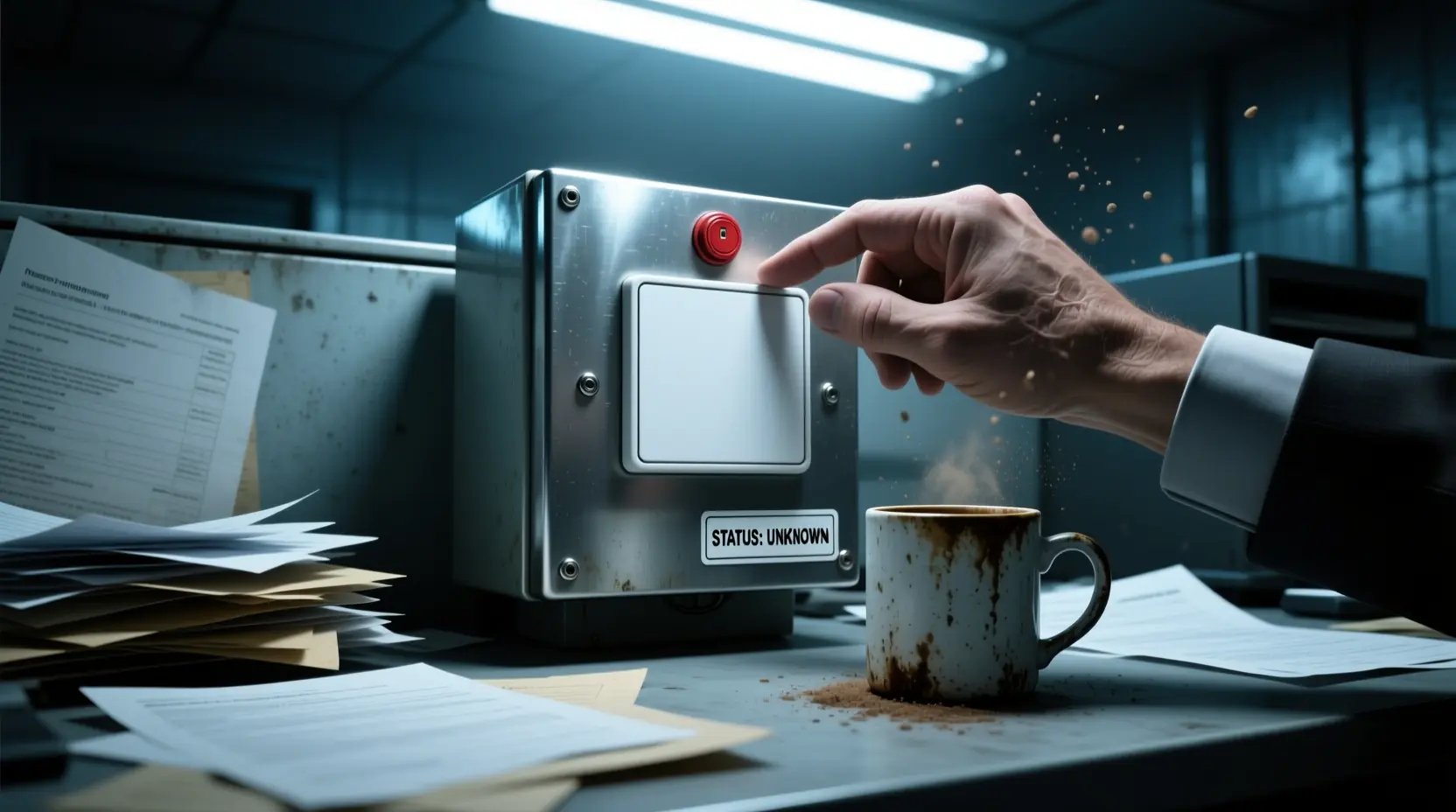
They scrutinize because their neck is on the line, too. If they approve a sub-standard system and it fails, they face liability. Your mission is to prove, with冰冷, hard documentation, that your white-label box is equivalent to the name-brand panels they know. You cannot bluff. You cannot charm. Start by buying them coffee and asking about their local amendments before you submit your first plan. This relationship is everything.
The Verdict: Should You Dive Into This Chaos?
Maybe. But only if you reframe the entire endeavor.
Do it if: You are prepared to build a quasi-independent fire division. If you will hire and pay for serious fire talent. If your legal counsel has fully briefed you on the monstrous liability you’re assuming. If you’ve done forensic-level due diligence on your OEM. If you’re ready for a 5-10 year grind to build AHJ credibility.
Do NOT do it if: You’re looking for a quick revenue bump or a checkbox on your capabilities sheet. If you think it’s “just another product line.” If the thought of losing everything due to one failed installation makes you sweat.
White-labeling fire hardware is a path to becoming a true life-safety provider. It can be immensely profitable and create unbreakable client bonds. But the path is a minefield of liability, technical nuance, and bureaucratic hurdles. Tread with extreme caution, or better yet, for the sake of the rest of us grumpy veterans trying to maintain standards, stay out unless you’re all in.
My two cents. Now get off my lawn.