Right. Let’ cruise past the corporate optimism and the glossy webinar slides. You want the unfiltered forecast from the trenches? I’ve been procuring everything from panic hardware to pre-action valves since ‘or equal’ was something you said with a straight face. The horizon for 2027 isn’t just cloudy; it’s a Category 5 headache forming over the global steel market, and it’s aiming directly at your project budgets and my sanity.
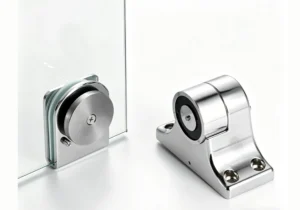
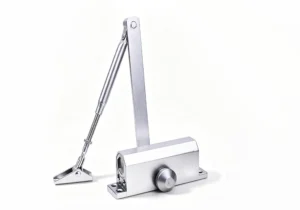
The core truth, the one they don’t print in the brochures, is this: Fire protection is a steel industry with a safety fetish. Every hinge, every door leaf, every damper blade, every length of sprinkler pipe—it’s all premium, tested, often specialty steel. And that market is about to become the world’s most expensive political poker game.
The Raw Material Roulette Wheel is Rigged
Forget ‘commodity steel.’ We’re talking specific grades, precise chemistries that can stare down a furnace for 90 minutes without blinking. This stuff doesn’t grow on trees. Its supply chain is a fragile, globally interconnected spiderweb.
Now, picture a politician in a flag pin announcing “bold tariffs to protect domestic jobs.” That’s Act One. Act Two is the retaliatory tariff from the other side. Act Three is where our problem starts: the domino collapse of predictable cost structures. That mill in Germany raising prices because its energy surcharge just doubled. That foundry in India struggling to source affordable scrap because trade channels are blocked. By 2027, the long-tail impact of these decisions made today will be fully mature. The result? A constricted, paranoid, and chronically expensive supply of the right kind of steel. Economics for beginners: scarcity + inelastic demand = pricing chaos.
The Domino Effect: A Procurement Horror Story
Act I: The Manufacturers (They’re Not Smiling)
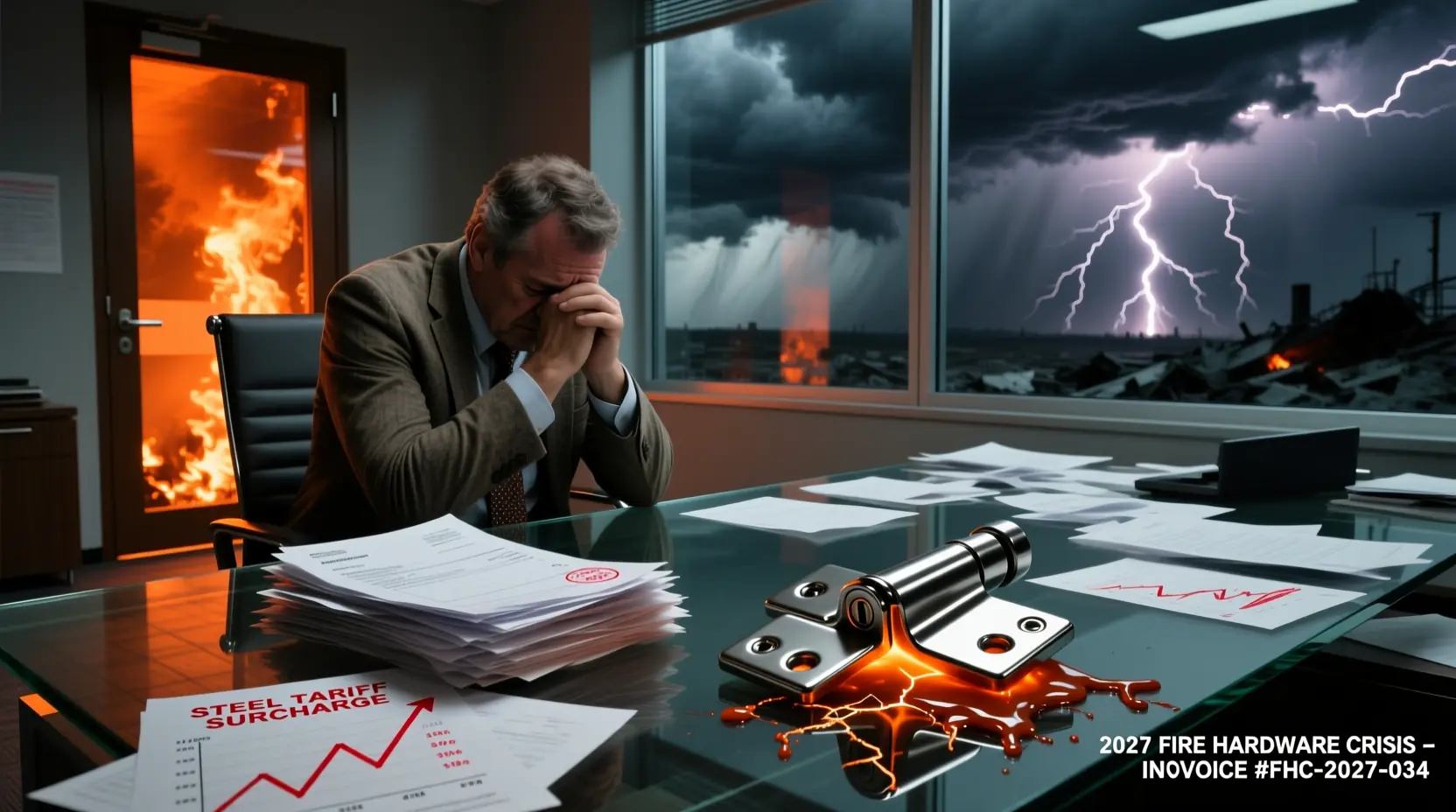
They’re the first casualty. Their 2026 raw material contracts will dictate your 2027 project’s viability. With steel costs doing the tango, their nice, neat annual price books become historical fiction. Their choices are bleak: vaporize their own margins (suicidal), or pass the pain along. They will, of course, pass it along. But not elegantly. Expect surcharges. Expect quarterly price revisions. Expect “price upon application” becoming the default for anything beyond a standard hinge. Bidding a multi-year facility? You’re not a procurement manager; you’re a futures trader without the fancy Bloomberg terminal.
Act II: The Distributors & Specifiers (The Squeezed Middle)
Distribution will become a high-stakes casino. Do you tie up a mountain of capital in a warehouse full of fire door frames now, betting the 2027 tariff-inflated price makes you look like a prophet? Or do you run a just-in-time model and get wiped out when your supplier moves to allocation-only? Meanwhile, the specifiers—the engineers dreaming up these integrated life-safety marvels—will watch their beautiful designs get gutted by value engineering. That sole-source, perfectly engineered system is now 40% over budget. Cue the desperate, often ill-advised, search for cheaper look-alikes that haven’t survived the same hellish testing regimen.
Act III: The Installers & Contractors (Holding the Live Grenade)
This is where the rubber meets the road—and melts. You won a job in 2025 based on 2025 prices. Break ground in 2027, and your hardware supplier’s quote comes back with a laugh track. You’re legally locked in. Your options: eat a catastrophic loss, try to slither out of the contract (kissing your reputation goodbye), or… explore the shadow market. This is the danger zone. This is where “or equal” gets tortured into meaning “sort of similar, maybe, if you squint.” This is the fertile ground for counterfeits and unlisted junk wearing convincing labels.
The Perfect Storm for the Wrong Stuff
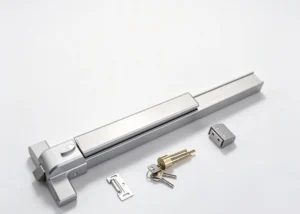
Here’s my central, grumpy thesis: Exorbitant and unpredictable costs for legitimate, listed fire hardware create a powerful economic vacuum. Nature abhors a vacuum; the construction industry fills it with questionable alternatives. Products with paperwork flimsier than their galvanic coating. Online “bargains” on fire exit devices that would turn to liquid in a real emergency. The pressure will be immense—the developer is apoplectic, the GC is bleeding cash. Someone finds a “cost-saving alternative.” A quiet meeting happens. A nod is exchanged.
And then it gets installed. Potentially signed off. And lives unknowingly depend on it.
The 2027 Mandate for Authorities Having Jurisdiction (AHJs)
Pay attention, because this is the only firewall we’ve got. To every building official, fire marshal, and plan reviewer: your vigilance is about to become the most critical component on the job site.
Your checklist just got longer. Seeing a value-engineered submittal? You’re no longer just glancing for a UL mark. You’re forensic auditors now. You must verify that the mark corresponds to the exact product configuration in the listing. You must demand a clean, traceable paper trail back to an authorized source. You must side-eye any supplier you haven’t heard of and any price that seems miraculously low.
The economic temptation to cut corners will be at a decades-high peak. Your skepticism, your insistence on perfect documentation, your willingness to be the ‘bad guy’ and reject a fishy submittal—that’s the main line of defense.
A final, snarky piece of advice: Let the invoices guide you. If the number for a full 3-hour door assembly with all its ironmongery looks suspiciously close to what it was in 2023, while every other trade’s costs have ballooned… that’s not a win. That’s the loudest, clangingest red flag on the project. It’s the first indicator that the steel in that assembly might have a rather creative origin story.
So, brace yourselves. 2027 is the year the global steel trade war lands in our laps. The pricing will be chaotic. The supply will be unreliable. The only thing separating that chaos from compromised life safety will be stubborn, detailed, grumpy vigilance. You’ve been warned.