Right. Let’s talk about your fire doors. Or, as you probably think of them: those heavy, annoying things that tenants and staff keep propping open with bins, chairs, and sheer force of will. You’ve got a ‘30. Fire Door Assembly Inspection’ on your to-do list. It sounds bureaucratic, tedious, and a low priority compared to a leaking roof or a broken boiler. I’m here to tell you, with the profound irritation of someone who’s paid the invoices for the consequences of neglect, that this is where your cheapness or laziness gets people killed and turns assets into liabilities.
Forget the polished, corporate guidance. This is the procurement-centric, value-engineered (but not stupid-engineered), grumpy-as-hell truth. A fire door isn’t a commodity. It’s a performance-rated life safety system you bought. You procured an assembly with a specific job: to compartmentalize smoke and fire for a defined period. Inspecting it isn’t box-ticking; it’s verifying the functional integrity of a purchased asset. And you’re probably failing.
The Procurement Nightmare: You Bought a System, Not a Door
Think back to the install. Did you buy the door, frame, hinges, closer, latch, and seals as a bundled, listed assembly from a single reputable supplier? Or did you, or your low-bid contractor, piece it together like Frankenstein’s monster using the cheapest compliant leaf, some hinges from one vendor, a closer from another, and a latch from a bargain bin? This is where your problems began. The label is the proof of purchase for that specific, tested assembly. No label, or a mismatch of components, means you own a very expensive, non-compliant hunk of materials. The value you sought is now a massive liability.
Section 1: The Basic Asset Integrity Check (Points 1-7)
- The Label (Your Warranty/Data Plate): Find it. It’s not a sticker; it’s the asset tag for your fire-resistance rating. If it’s painted over, missing, or illegible, you have zero proof of what you own. Your asset is now suspect. This is a catastrophic failure in asset management.
- Frames (The Mounting): Are they securely anchored to the wall? Or can you wobble them? A loose frame is a failed assembly. You paid for a solid mounting. Verify it.
- Hinges (The Bearing Points): Count them. Three is the minimum for heavy or tall doors. All screws present and accounted for? And I mean the correct, fire-rated screws, not drywall screws some ‘handyman’ substituted. A missing screw is a point of failure. Worn pins? That’s wear and tear you didn’t budget for. Replace the hinge set. Properly.
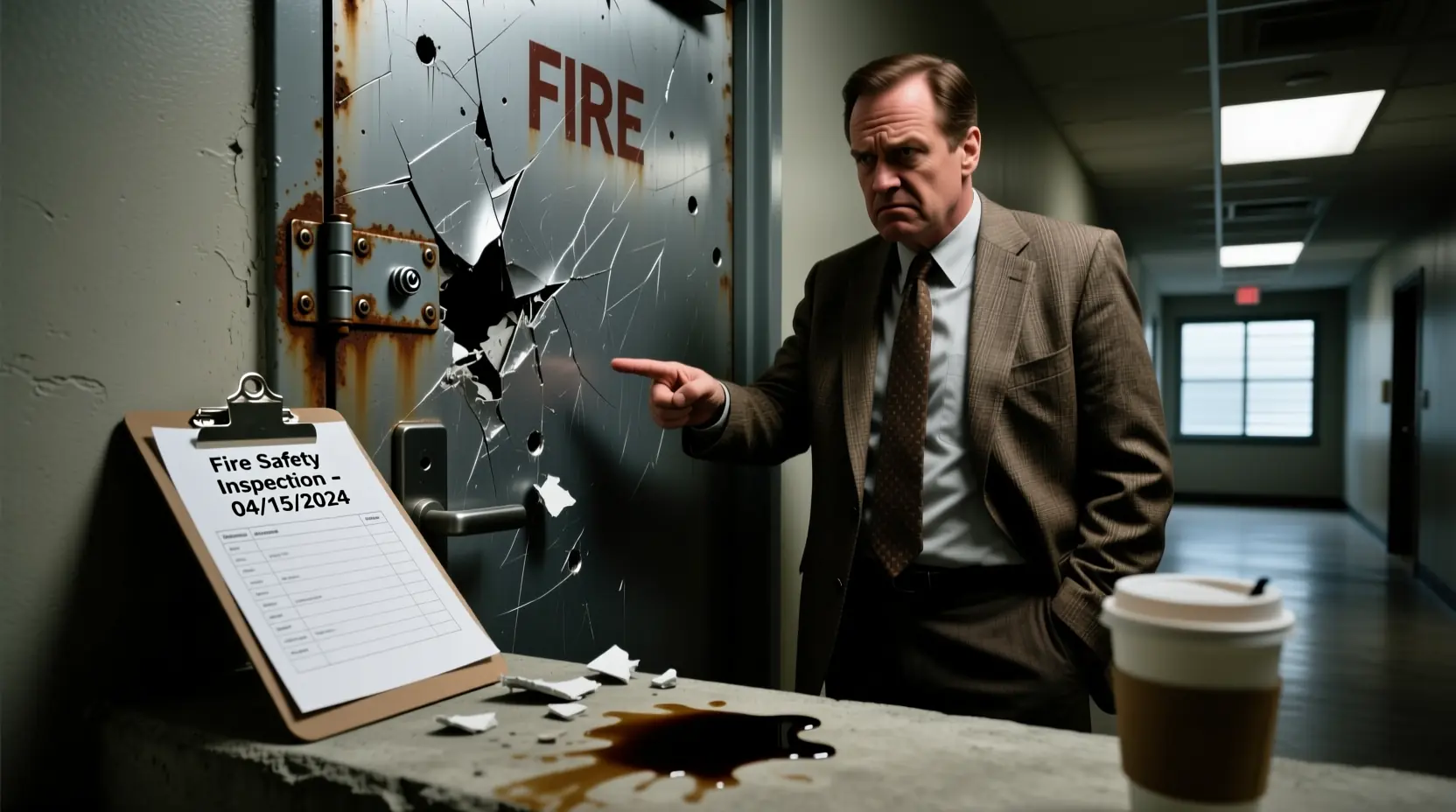
- Door Leaf (The Barrier Itself): No holes. None. Not for cables, pets, or ‘convenience.’ Is it warped? Delaminating? You bought a flat, solid barrier. If it’s not, it’s defective.
- Clearance (The Tolerances You Paid For): Get a gap gauge. Top/sides: ≤ 3/8”. Bottom: ≤ 3/4”. These aren’t suggestions; they’re the engineered tolerances of the system. Bigger gaps = a direct path for smoke. Your carpet installer changing the floor height is a change order to the life safety system. Manage it.
- Operation (Functional Testing): Does it swing freely? Or does it drag, bind, or require a shoulder charge? This indicates misalignment, failed bearings, or floor interference. A non-operational asset is a worthless asset.
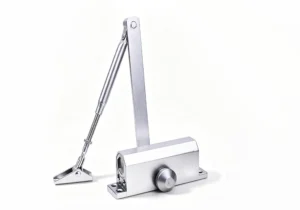
- Self-Closing (The Failsafe): The most basic function. Release from ajar. Does it latch, firmly, every time? If it needs a wedge to stay open, you have a broken closer or a poorly adjusted one. This is not optional.
Section 2: The ‘Value Engineering’ & Tenant Vandalism Zone (Points 8-14)
- Latching (The Primary Lock): Does the latch bolt fully engage the strike plate? Push on the door near the latch. If it disengages, it’s useless. This is often due to strike misalignment—a shoddy install you paid for.
- Coordinators (For Paired Doors): On double doors, the active leaf must close first. If they clash, the coordinator is broken. You paid for sequenced closure. Test it.
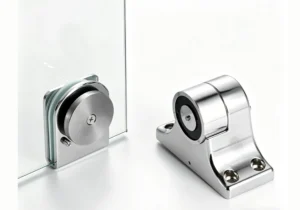
- Hold-Open Devices (Convenience vs. Code): Mag locks or hold-open closers must be listed for use on fire doors and tied to the fire alarm. Do they release on alarm? Test them randomly. If they fail, you bought the wrong product or it’s malfunctioning.
- Gaskets & Intumescent Seals (The Smoke Seal): These are consumable parts. Are they intact, not painted over, not peeling? Intumescent seals expand with heat to seal gaps. Missing seals = a system you didn’t maintain. They have a service life. Factor it into your OPEX.
- Astragals (The Middle Seal): On double doors, the vertical seal between them. Often bent, kicked, or missing. Another consumable. Another failure point.
- Kick/Push Plates (Aftermarket ‘Improvements’): Were they installed with screws that go clear through the door, potentially compromising its core? They should be surface-mounted per the listing. Tenant-installed hardware voids your assembly’s rating. You allowed a tenant to modify a life safety asset. Brilliant.
- Paint (The Landlord Special): Twenty layers of paint add weight, gum up hinges and seals, and can hide problems. You are slowly destroying the asset with ‘maintenance.’ Stop.
Section 3: The Devilish Details That Invalidate Your Spend (Points 15-20)
- Signage (The Instruction Label): “FIRE DOOR, KEEP CLOSED.” It’s mandatory. No sign, or a faded, handwritten note, is a failure in user guidance. Procure proper, durable signs.
- Protected Hardware (Security vs. Life Safety): Are hinge and strike plate screws on the corridor side frangible (break-away) or otherwise protected? If not, they’re a security risk and may violate code. Did you specify this during procurement? Probably not.
- Field Modifications (The Unauthorized Changes): New holes for wiring, peepholes, added viewers. Any modification not in the original listing voids it. You now own a standard door. Hope you kept the warranty paperwork.
- Door Stops/Bumpers: Is a huge rubber bumper preventing full closure? If the latch doesn’t seat, the door is open. Remove it. The wall paint is cheaper than a lawsuit.
- Transoms & Sidelights (Part of the Assembly): The glass or fixed panels beside the door. They have their own ratings and labels. Are they secure, intact, and labeled? They were part of the purchase order. Inspect them.
- The ‘Gut Check’ (Your Instinct as a Buyer): Does the whole thing feel solid, quality, intentional? Or does it feel cheap, sloppy, and patched together? Your gut, honed by seeing good and bad procurements, is usually right. A janky door is a bad purchase.
The Non-Negotiable: Asset Documentation
An inspection without a record is a daydream. Log everything: Door ID/Location, Date, Inspector, Condition (with photos—always photos), Deficiencies, Corrective Actions, Dates Closed. This is your proof of lifecycle management. It’s the audit trail that shows you took your duty of care seriously. It turns a random door into a managed asset. File it. Forever.
⚠️ THE CRITICAL PROCUREMENT & CONTRACTUAL WARNING
I AM NOT YOUR AUTHORITY HAVING JURISDICTION (AHJ). Let me be blunt: the Fire Marshal, Building Official, or Insurance Inspector does not care about my grumpy checklist. They are the final client, the ultimate regulator, and their interpretation of the code is your contractual law.
This guide is meant to get your assets in order before their audit. It helps you speak their language and identify the failures your low-bid contractor handed over. When they speak, you listen. Their word supersedes every spec sheet, every supplier claim, and every cost-saving measure you ever implemented.
DO NOT use this as a contractual shield. Use it as a pre-audit tool to avoid fines, failed inspections, and the catastrophic cost of non-compliance. Your relationship with your AHJ is your most important vendor relationship. Manage it. Their requirements are your ultimate specification.
Now go look at your fire doors. They’re not just doors. They’re purchased life safety systems. Start managing them like the critical assets they are.