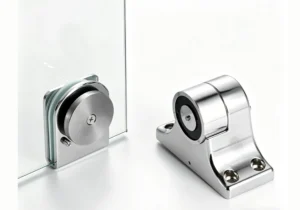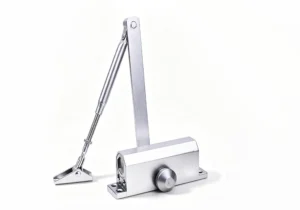
Modular Panic Bars: An Unvarnished Truth for the Battered and Weary
Let’s be clear. I’ve been specifying and procuring door hardware longer than most “innovative” products have had a name. My skepticism is a well-earned survival trait. So, when the industry started buzzing about “modular panic bars,” I dismissed it as another marketing fairy tale designed to separate fools from their money. Then, I was forced to actually buy and install them on a project. Now, I’m here, with the bitter taste of admission in my mouth, to tell you this: they are a rare flash of pragmatic genius in an otherwise chaotic sector. They don’t solve everything, but they surgically address the most expensive part of any hardware spec: the labor.
The Tyranny of the Traditional Panic Bar: A Procurement Horror Story
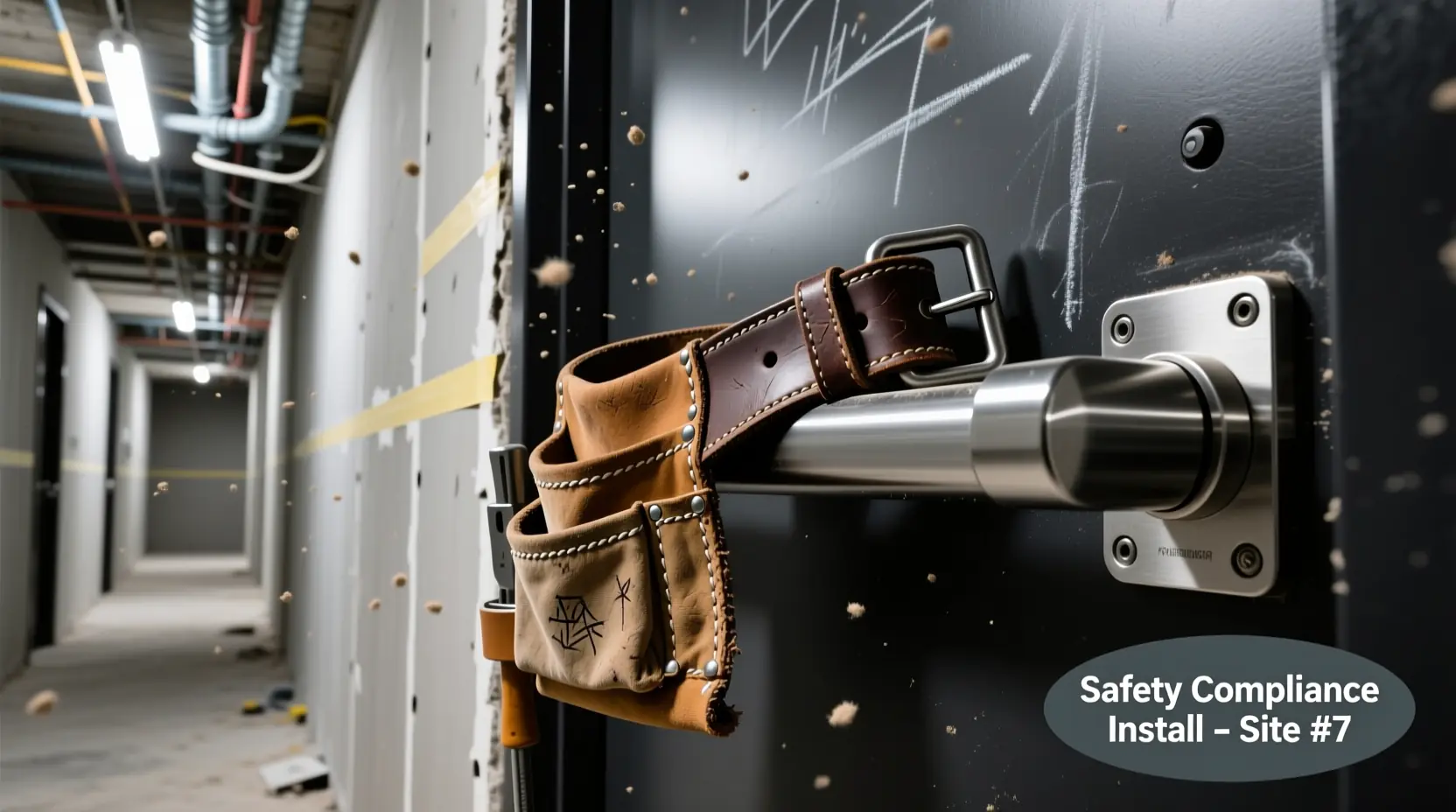
First, let’s memorialize the enemy: the traditional, monolithic panic device. You, the procurement manager, order it. It arrives: a crate of disparate, heavy steel components—rods, latches, brackets, screws, and a template drawn by a sadist. You ship it to site. The install begins, and with it, the cascade of change orders. The door prep is never quite right. The rods need cutting. The latch alignment is a dark art. A single door becomes an all-day symphony of grinding, shimming, and profanity. Your carefully negotiated margin evaporates by the hour. The GC is screaming about fire marshal inspections. The installer is threatening to quit. All because of a simple push bar. This is the cost you never see on the initial P.O.
Deconstructing the “Module”: Simplicity as a Radical Act
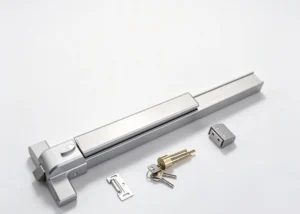
The modular approach isn’t rocket science; it’s just sense. Instead of one complex organism, you get pre-engineered, plug-and-play components.
The Latch Module: A self-contained, sealed unit. It goes in the door edge. Done. No external linkages.
The Actuator Bar Module: The part people push. It mounts to the face. Inside, a simple cable or direct cam engages the latch. Think “click,” not “precision engineering.”
The Support Hardware: End caps that snap on. Universal brackets with slotted adjustments.
The reduction in parts count isn’t just a packaging win; it’s a direct attack on inventory complexity and install time.
The Grumpy Manager’s ROI Breakdown: Where the Magic Actually Happens
1. Labor, Labor, Labor: This is the headline. I’ve seen install times drop by 60-70%. A one-day struggle becomes a two-hour task. For a 50-door project, you’re saving weeks of man-hours. Translate that to labor cost savings, reduced site disruption, and faster project closeout. The math is embarrassingly persuasive.
2. Inventory Rationalization (A Dream, Partly Realized): You’re no longer stocking a left-hand and right-hand version of every bar for every conceivable door thickness. You stock a range of latch modules (for door thickness) and a range of bar lengths. They combine. My warehouse is slightly less of a nightmare, which means fewer expedited freight charges for “the missing part.”
3. Field Adjustments That Don’t Require a Do-Over: Latch misaligned? Loosen two screws on the latch module, tweak, retighten. No disassembly of the entire bar. This alone saves countless callback hours, preserving your profit and your reputation.
4. The Retrofit Goldmine: This is the killer app. Upgrading an old, non-compliant bar used to mean a major door modification. Now, you often just remove the old hardware and drop the new modules into the existing footprint. You can now sell life-safety upgrades as a manageable OPEX, not a CAPEX construction project. Building owners listen to that.
The Inevitable Caveats (Or, Why I’m Still Grumpy)
Don’t get starry-eyed. This is still hardware procurement.
Unit Cost Premium: Yes, the modules often cost more upfront than traditional bar sets. You are buying engineered convenience. The business case is in the total installed cost. Crunch the numbers for each project.
The “It Feels Cheap” Fallacy: Veteran installers used to hefting solid cast iron will gripe. Educate them. Modern alloys and composites meet or exceed strength specs at a fraction of the weight. This is a mindset shift you must manage.
Vendor Lock-In: You’re buying into an ecosystem. Brand A’s modules won’t fit Brand B’s brackets. Choose your strategic partners wisely.
False Sense of Simplicity: Easier install doesn’t mean no training. A bad install is still a bad install. It just happens faster. Insist on manufacturer training for your crews.
The Future: More Modules, More Problems (But Better Ones)
The trend is irreversible. Modularity is spreading to electric strikes, exit devices, and access control hardware. The next wave is integration: a panic bar module with a built-in, wireless lock monitor that simply clicks into the ecosystem. My job is about to become more about specifying systems than individual parts. I’ll complain about that, too, but secretly, I’ll appreciate the efficiency.
Ultimately, modular panic bars represent something rare: a product innovation that directly targets and reduces operational cost and aggravation. They make skilled installers more productive and life-safety upgrades more feasible. In our world, that’s not just an improvement; it’s a minor miracle. Now, if they could only do something about the font they use on invoices…
***AHJ WARNING:***
Stop. Read this twice. Modularity changes nothing about code compliance. Every single installation must be pre-approved by your local Authority Having Jurisdiction (AHJ)—the Fire Marshal, Building Official, etc. Their interpretation of the code is law. Submit the product listings (UL 305, BHMA A156.3), cut sheets, and installation instructions BEFORE any work starts. The “ease” of installation means nothing if the AHJ fails the assembly. A failed inspection means rip-out, rework, and financial pain. Get approval in writing. Protect your project, your profit, and your professional standing. This is non-negotiable.