Panic Bar Accessories for Grumpy Installers: A No-BS Toolbox Guide
Let’s cut the corporate brochure nonsense. You’re a procurement manager or installer up to your elbows in crash bars, exit devices, and architectural specs drawn by someone who’s never held a drill. The factory instructions are a fantasy. The on-site reality is a warped frame, a door with more history than your van, and a finish “concept” that exists only in a designer’s fragile mind. I’ve been there. The line between a clean install and a day that births new profanity isn’t just skill—it’s the obscure, unglamorous accessories you bother to source. Here are the ten that actually pull their weight, presented with deliberate chaos and the snark you deserve.
1. The “Universal” Metal Door Template Kit (A Lie That Works)
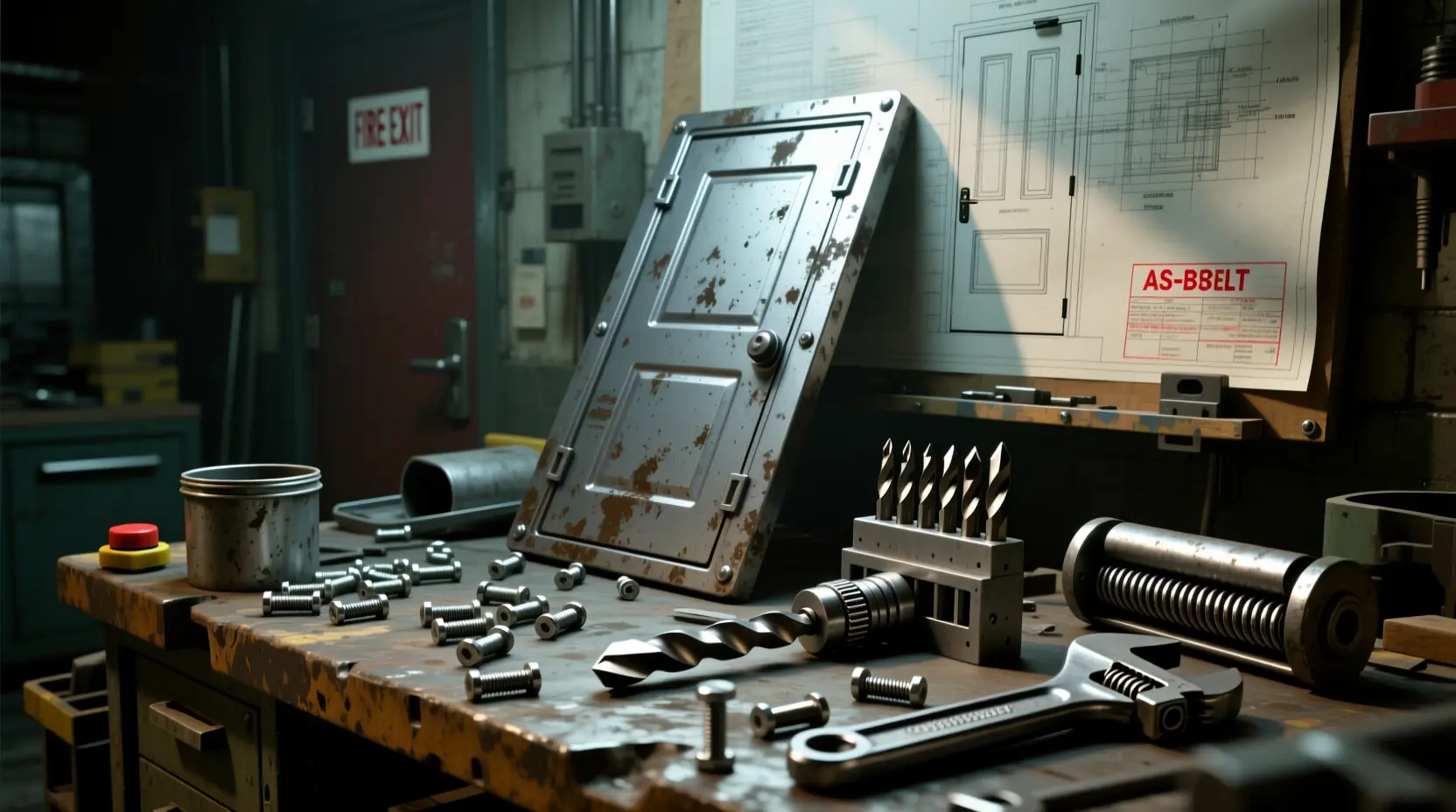
Manufacturers treat templates like state secrets, each a unique snowflake of frustration. Hauling a library of 40 paper templates turns your vehicle into a landfill. The solution? A robust, adjustable metal template kit. It’s not truly universal (don’t be naive), but for 95% of common rim-mounted bars, it’s the difference between precision and guessing. Clamp it. It’s rigid. It doesn’t tear. It saves you from recalculating bolt holes every time you sneeze. This is about reducing variables, not achieving nirvana.
2. The Staggered Drill Bit & Hole Saw Combo (For That One Specific Device)
You know the job: the common exit device requiring a 1″ hole, then a 1/4″ pilot, then a 3/4″ latch hole. Instead of the circus act of three tools and two arbors, find the aftermarket combo arbor where the bits are pre-staggered. Drill the big hole, and the pilot for the next is perfectly centered. It guarantees alignment, eliminates tool-change fumbles, and prevents the heart-drop of a wandering hole saw. Niche? Absolutely. A lifesaver when needed? You’ll consider naming your firstborn after it.
3. Anti-Friction Roller Latches (The System’s Silent Savior)
This isn’t for the bar itself; it’s for the entire door’s soul. Install a perfect crossbar, then discover opening the door requires the shoulder strength of a powerlifter because the latch binds. Before you start filing the strike plate into oblivion, install a roller latch. Tiny wheels on the latch body roll against the strike, reducing friction by about 70%. It turns a grindy, heavy operation into a smooth motion. It makes a mediocre install feel high-end. A five-minute upgrade for professional pride.
4. Extended-Length Anchor Bolts (Planning for the Imperfect World)
The bolts in the box are calculated for a theoretical, perfect door in a lab. Your door has steel reinforcement, is thicker than spec, or needs shims to clear a threshold. Suddenly, the supplied bolts are a joke. Always stock extended-length stainless bolts in common diameters and pitches. This isn’t advanced logistics; it’s accepting reality. Using the short ones and hoping is a one-way ticket to a callback. And for the love of all that’s holy, use stainless. We’re not animals.
5. Push-Button Dogging Wrenches (Thumb Salvation)
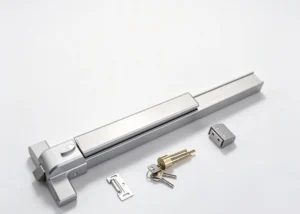
The factory dogging key is a flimsy L-shaped afterthought designed to be lost in a gravel parking lot. The alternative is brutalizing the mechanism with Channelocks. The professional move? A push-button dogging wrench. It’s a handle with a spring-loaded pin. You get actual leverage. You can dog or undog a stiff mechanism without developing carpal tunnel. It’s harder to lose (key word: harder). It’s a simple tool that respects your time and your joints.
6. Reinforcing Trim Strips for Hollow Metal Doors (Vanity & Function)
You’ve meticulously cut the door face for a rim-mounted device. You torque the mounting bolts and… the hollow metal dimples like a cheap beer can. It looks amateurish. The fix is stupidly simple: reinforcing trim strips or backer plates. These metal plates go inside the door, spreading the clamping force. They prevent crushing and present a clean, professional exterior. They’re cheap, often universal, and the difference between an install that’s signed off and one that’s silently judged.
7. Surface-Mounted Vertical Rod Covers (Making Ugly, Tolerable)
Sometimes concealed rods aren’t an option. The fallback is surface-mounted vertical rods—a functional but visually chaotic mess of brackets and bare metal. The essential accessory here is the full-length, snap-on cover. It transforms a spiderweb of hardware into a single, finished chase. It turns “What is that engineering disaster?” into “That’s the fire exit mechanism.” It’s about managing aesthetics in a world that often forgets them.
8. Extra-Long Actuator Bars (For Architectual Ambition)
The standard crossbar is designed for a normal door. Then you get the aircraft hangar door, the gymnasium special, the “why-is-this-a-door-and-not-a-wall” abomination. Code requires the activating device to cover most of the door width. Instead of sourcing a rare, expensive monolithic bar, get an extra-long actuator bar extension. It’s a modular solution that adapts the standard hardware to excessive dimensions. It’s practical procurement: solving a big problem with a simple, orderable part.
9. Clamp-On Gravity Hold-Open Arms (Elegant Integration)
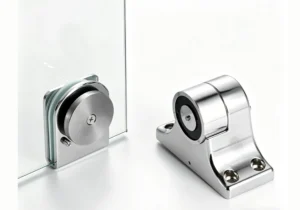
The panic bar is installed. Now the client wants the door held open. The barbaric solution is a separate, ugly floor or wall-mounted holder. The integrated solution is a clamp-on gravity hold-open arm. It attaches directly to the panic bar and frame. Door opens, arm drops, door is held. Panic bar is pushed, arm auto-releases. No extra holes. No secondary hardware. It’s clean, intelligent, and respects the integrity of the original install. This is how it should be done.
10. A Professional-Grade Torx & Security Bit Set (The Foundation)
Modern hardware runs on Torx (T10, T15, T25) and an alphabet soup of security heads. The crummy stamped-steel bits in the box will strip on the first stubborn bolt, leaving you in a world of hurt. Invest in a high-quality, impact-rated bit set with a magnetic driver. This isn’t an accessory; it’s the foundation of the trade. The confidence that your tool won’t fail under torque is priceless. Don’t procure cheap bits. You’re not that kind of manager.
AHJ WARNING – NON-NEGOTIABLE TRUTH:
HEAR THIS. Every gizmo, every clever adapter, every time-saving trick documented above is completely, utterly worthless without Authority Having Jurisdiction (AHJ) approval. The fire marshal, the building inspector—their clipboard is law. An unlisted or unapproved accessory can void the entire fire assembly listing. Your universal bracket? Possibly non-compliant. Your slick roller latch? Might not be part of the tested design. You must submit product data sheets and installation details for any accessory to the AHJ before installation. Past use in another jurisdiction is irrelevant. Their approval is the only currency that matters. Your entire, well-procured toolkit is a fancy doorstop without their stamp. Procure their buy-in first.